
Combining the Different Types
One way of using lighting in practice is to combine the use of both natural and artificial lighting. Natural lighting is more comforting for people compared to artificial lighting. A way to use natural lighting that causes minimal damage to artefacts is to use it to light higher areas where it won't hit the objects, but still illuminate the room, and then combine it with artificial lighting at lower levels to light the objects themselves.
Using Natural Lighting
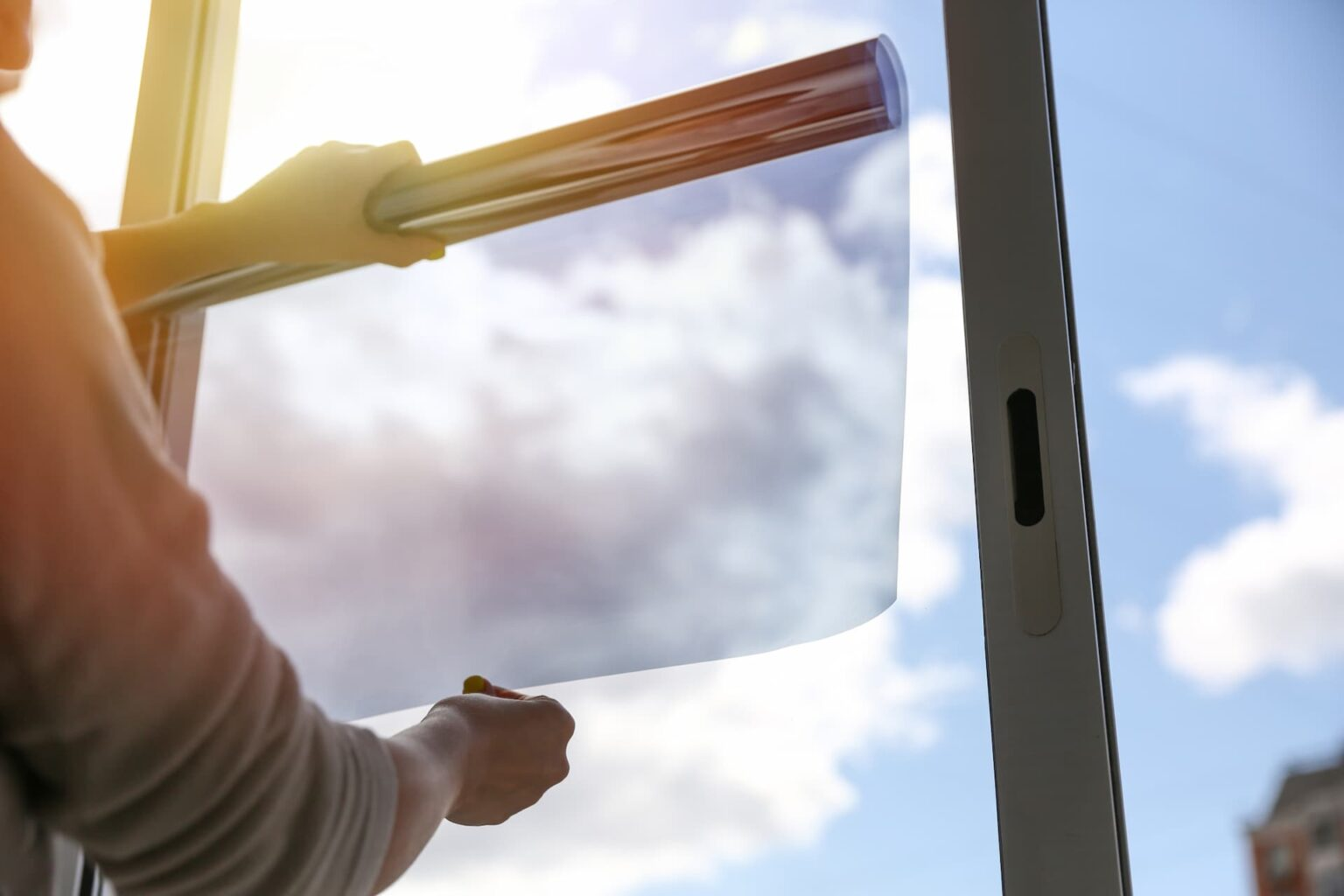
Museums also employ various strategies to mitigate light damage while still using natural light. These include using UV filters on windows and display cases, and controlling exposure duration. UV filters on the windows help stop UV wavelengths from passing through the windows and hitting the objects. The other alternative method is to keep the objects covered, either by material is in enclosed spaces, such as drawers and only have them exposed to light when someone wishes to view them.

Using Artifial Lighting
Artificial lighting plays a crucial role in enhancing the visitor experience in museums while preserving the integrity of the exhibits. Carefully designed lighting systems are essential not only for showcasing artefacts and artworks in their best possible light but also for protecting them from potential damage caused by inappropriate illumination. LED technology, for instance, has become a popular choice in museums due to its energy efficiency, long lifespan, and minimal heat emission, which helps reduce the risk of harm to delicate materials. Additionally, artificial lighting allows curators to create dynamic and immersive environments, highlighting specific details, textures, or colours that might otherwise go unnoticed under natural light. By balancing aesthetics, preservation, and functionality, artificial lighting continues to shape the way audiences engage with cultural and historical collections in museums.
Monitoring Deterioration
A way in which to keep track of how an object is surviving the light it is kept in is by using the blue wool test. The use of blue wool to monitor light-induced deterioration provides a straightforward and effective method for assessing light exposure. Blue wool standards are widely used in conservation and preservation fields to evaluate the fading and damage caused by light over time. These specially dyed fabric strips consist of different grades of wool, each calibrated to fade at a specific rate when exposed to light. By placing blue wool samples alongside sensitive materials, such as artworks or textiles, it becomes easy to gauge the extent of light damage in a simple, visual way. This approach is cost-effective, non-invasive, and practical, making it an ideal solution for museums, galleries, and any setting where monitoring light exposure is critical to preserving valuable items.

Create Your Own Website With Webador